

Spiritual Essentials & Ancient herbal uses
Herbs & spiritual practice
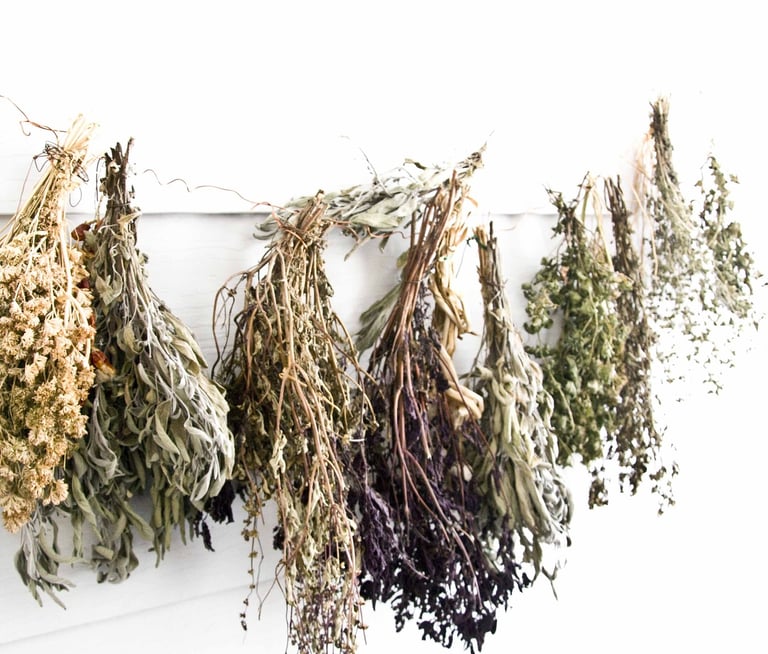
Herbs have long been used by many culture and traditions to aid in spiritual practices like astral travel, lucid dreaming and warding off negative frequencies. Learn more below about specific herbs and how they can aid in your spiritual journey.
Spiritual Cleanses & baths
Cleansing in a spiritual bath not only removed blocked or stagnant energies but they are also known to remove toxins from the body. Salt baths have been used for centuries to sooth muscles and draw out toxins.
Religious & Ritual Ceremony
Sacred herbs and plants are not only for ingesting, they also serve as powerful tools to contact the spiritual realms. Many herbs are said to hold their own spirits from another dimension that can interact with people by setting the intention and following through with a ritual ceremony using the herbs.
Clearing Negative energy
Energetic forces are always at play here on the earth and sometimes these energies can be conflicting with our own values. Methods like smudging and burning incense can be used to clear away negative energies and restore balance.
Learn about specific herbs and their spiritual uses below
Sage
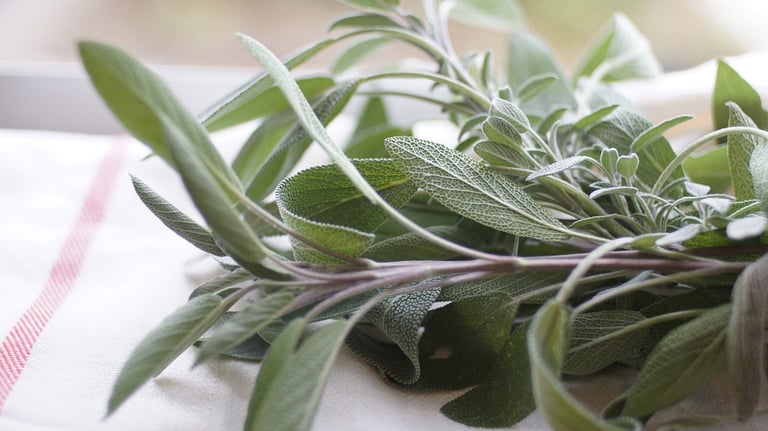
Sage, particularly white sage, is revered for its purifying properties. Burning sage in a ritual known as smudging, is believed to cleanse spaces and individuals of negative energy, promoting healing and mindfulness. The fragrant smoke is thought to create a sacred atmosphere conducive to meditation and prayer. Additionally, sage can be used to improve brain function, lower inflammation, prevent chronic diseases & boost the immune system.
Cinnamon
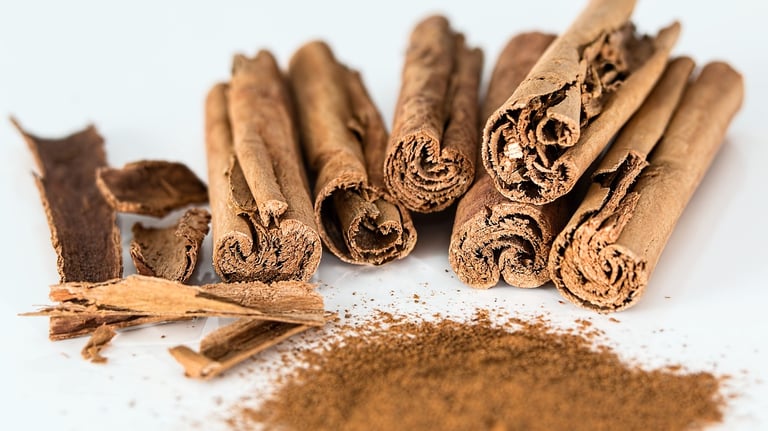
Cinnamon, a fragrant spice derived from the bark of cinnamon trees, has been revered for centuries not only for its flavor but also for its potent healing properties. Cinnamon is often employed to invoke warmth, protection, and purification. It is commonly used in rituals to enhance meditation, and facilitate deeper connections to the divine. Many incorporate cinnamon into teas or potions to attract positive energy and promote emotional balance.

Rosemary
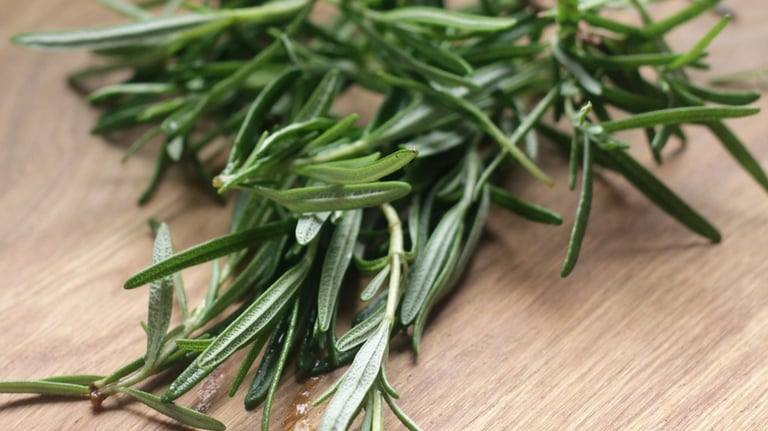
Rosemary is one of the most versatile herbs with a wide array of healing benefits. It stimulates hair growth, improves memory and brain function, reduces liver damage, lowers stress, balances hormones, prevents blood clots, and has anti-inflamatory, antibacterial, and antimicrobial properties. Spiritually it is used for grounding and warding off negative energy. It is also said to aid in protection and gaining clarity.
Wormwood
Wormwood, a potent herb known for its strong aroma and bitter flavor, offers a variety of health benefits that make it a valuable addition to your detox remedies. It is rich in essential nutrients, including vitamins A, C, and E, as well as minerals like iron and magnesium. Traditionally used to stimulate digestion, enhance liver function, and promote the elimination of toxins from the body. Wormwood's bitter compounds may also help in reducing inflammation and combating oxidative stress, making it an effective ally in holistic health practices. Traditionally used in various cultures, this herb is believed to cleanse energy, promote clarity of thought, and elevate spiritual awareness.
Moringa
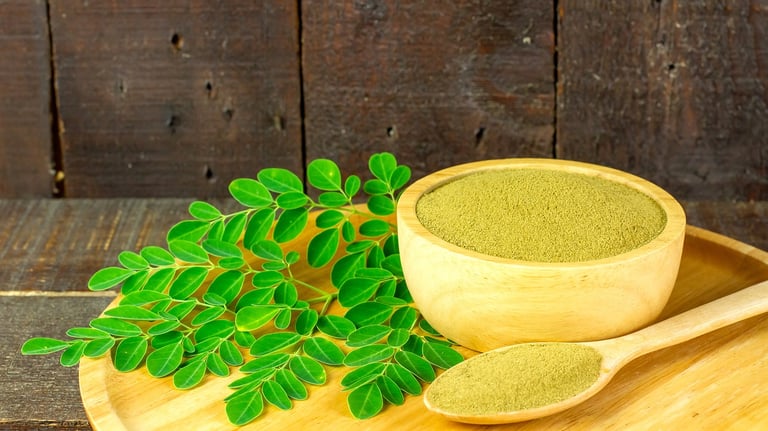
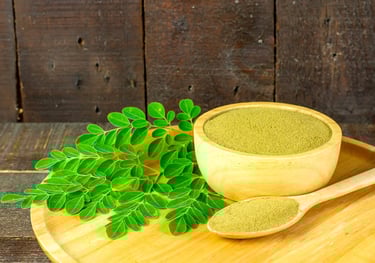
Moringa, often referred to as the "miracle tree," is packed with essential vitamins and minerals. Moringa leaves are an excellent source of vitamins A, C, and E, which play pivotal roles in boosting immunity. Additionally, its high protein content, alongside substantial amounts of calcium, potassium, and iron, enhances muscle development and supports bone strength. Whether consumed as a powder, tea, or in its raw form, moringa can significantly enhance health and vitality. In traditional Ayurvedic medicine, Moringa is known as a powerful detoxifier and is believed to cleanse the body of toxins, promoting physical and spiritual well-being. Ancient Egyptians used Moringa for its anti-inflammatory properties, applying its leaves for both health and spiritual cleansing rituals.


Burdock Root
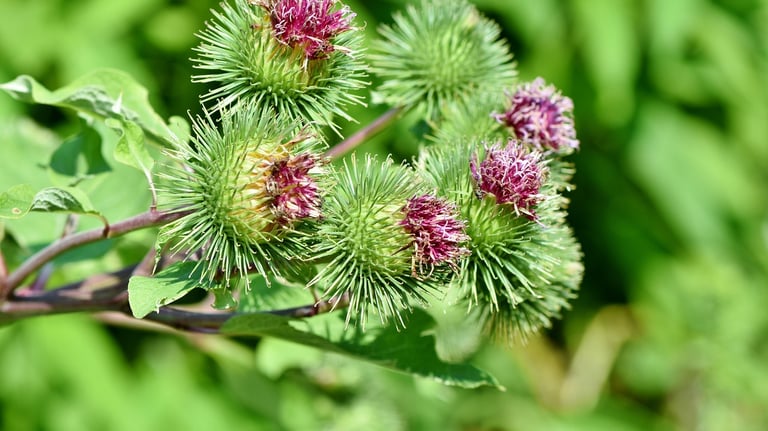
Burdock root is a powerhouse of nutrition, offering numerous health benefits that contribute to overall well-being. Rich in antioxidants, it helps combat oxidative stress and inflammation, promoting healthier skin and reducing the risk of chronic diseases. The root is also a fantastic source of dietary fiber, which aids in digestion and supports a healthy gut microbiome. Furthermore, burdock root contains essential vitamins and minerals, including potassium, magnesium, and vitamin C, which play vital roles in maintaining bodily functions. Its diuretic properties assist in detoxification, helping to flush out toxins and excess fluids.
Raw Cacao
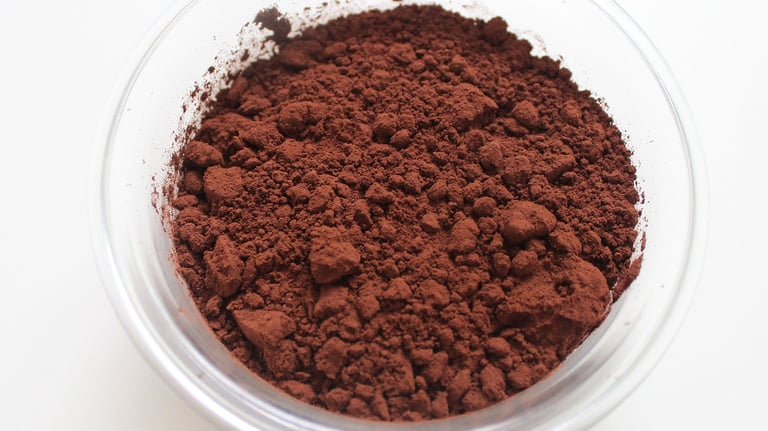
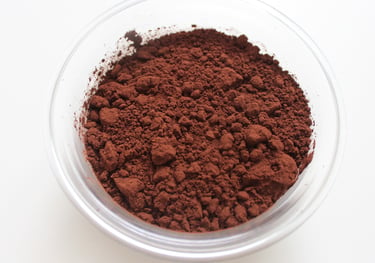
Raw cocoa is renowned not only for its delightful flavor but also for its myriad of health benefits. Packed with antioxidants, it supports cardiovascular health by improving blood flow and reducing cholesterol. The presence of flavonoids in raw cocoa can enhance mood and cognitive function, making it a natural remedy for stress and anxiety. Additionally, it serves as a source of essential minerals like magnesium and iron. Raw cocoa has deep spiritual significance in various cultures often used in rituals and ceremonies, it is believed to open the heart and create a deeper connection to one’s inner self.
Bay Leaf
Bay leaves, known for their aromatic presence in culinary dishes, also boast a rich history of healing properties and spiritual significance. Traditionally, bay leaves are believed to possess anti-inflammatory and antioxidant qualities, making them a valuable addition to herbal remedies for ailments such as digestive issues and respiratory problems. Many cultures burn bay leaves as part of purification rituals, believing that the smoke helps to cleanse negative energies and promote mental clarity. The act of writing intentions on bay leaves and then burning them is a popular practice for manifesting desires and attracting positive energy.


Lavender
Lavender is known not only for its fragrance but also for its numerous health and spiritual benefits. Traditionally used in aromatherapy, lavender essential oil is believed to alleviate stress, promote relaxation, and improve sleep quality. Its calming properties extend to cultural practices, where it has been employed in rituals and ceremonies to enhance meditation and spiritual awareness. Many cultures have infused lavender in sacred spaces and used it in healing practices promoting emotional well-being and clarity.
Mugwort
Mugwort has a long history of usage as a herb for spiritual practice including astral travel & divination. It has also been used in acupuncture treatments as well as an incense to cleanse divination tools like crystals, oracle cards & pendulums. The herb is also used to help with anxiety and increase energy, aid with irregular menstruation, digestion, high blood pressure and can be used as a liver tonic.
Blue Lotus
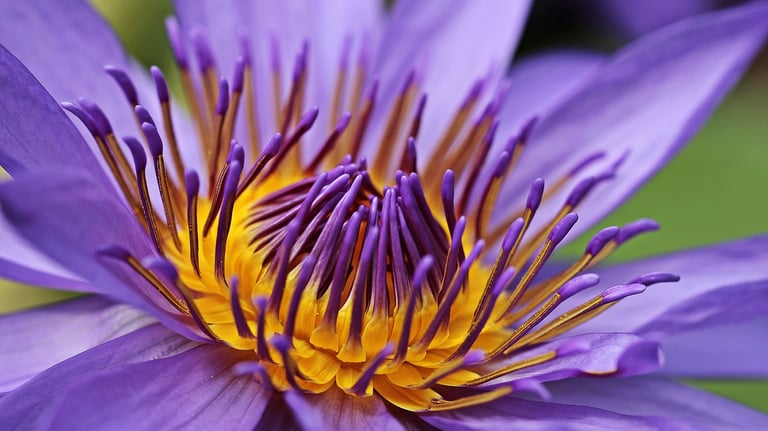
The blue lotus, renowned for its profound symbolism, has been utilized for centuries to enhance astral travel and was widely used in Ancient Egypt as a tea. It is celebrated for its potential benefits in promoting relaxation, alleviating stress, and improving sleep quality. The plant contains alkaloids and flavonoids that may contribute to its calming effects, making it a favored choice for those seeking natural healing. It also serves as a symbol of enlightenment and rebirth.



Damiana
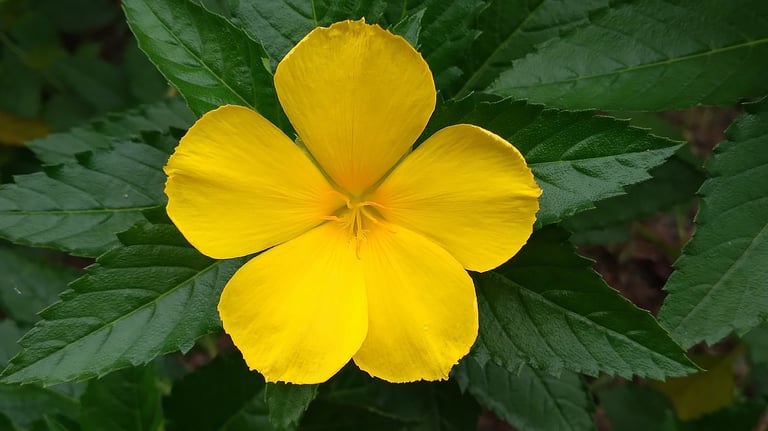
Damiana has been traditionally used by indigenous cultures and is known for its ability to enhance mood, reduce anxiety, and boost overall well-being. This herb is often used as an aphrodisiac, promoting sexual health and vitality. Additionally, damiana is believed to help with digestive issues and support hormonal balance. On a spiritual level, it is thought to promote connection with higher energies and facilitate meditation, making it a powerful ally in holistic practices.
African Violet
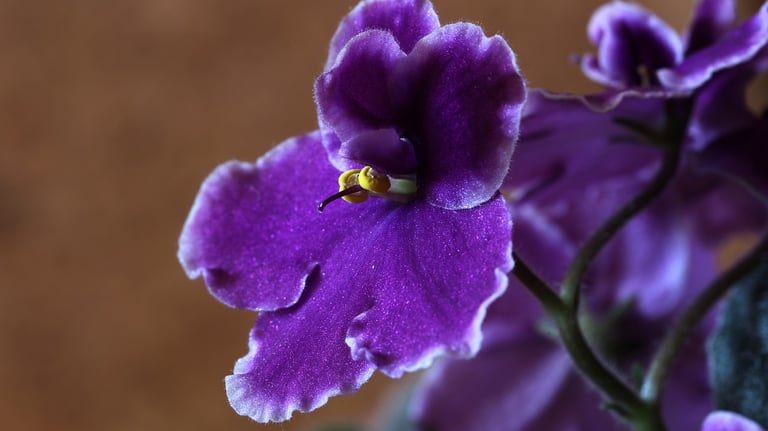
African violets, known for their vibrant blooms, hold significant importance in spiritual practices across different cultures. Traditionally used as a medicine, the leaves and flowers are believed to possess soothing properties that can aid in treating respiratory issues and promoting overall wellness. African violets also symbolize devotion and love, often used in rituals and ceremonies to enhance emotional healing and strengthen personal connections.
Arnica
Arnica flower in traditional medicine is said to be rich in anti-inflammatory properties and is often employed to alleviate pain, reduce bruising, and promote healing injuries and muscle strains. Its topical application can soothe discomfort associated with arthritis and sprains, making it a popular remedy in holistic health. Arnica is also embraced in spiritual rituals, believed to enhance energy and protection during ceremonies.


Chamomile
Chamomile is renowned for its soothing properties and has been a staple in herbal medicine for centuries. This gentle flower is often brewed into teas alleviate anxiety, promote relaxation, and aid in digestion. In spiritual and ritual practices, chamomile is valued for its calming energy and is frequently used in cleansing rituals and sacred spaces. Its aromatic essence enhances meditation and fosters a sense of peace, making it a popular choice for those seeking spiritual connection. Additionally, chamomile is often incorporated into herbal baths.
Always consult with a health practitioner before taking any herbal remedy for health improvement. The informational provided is for informational purposes only.