
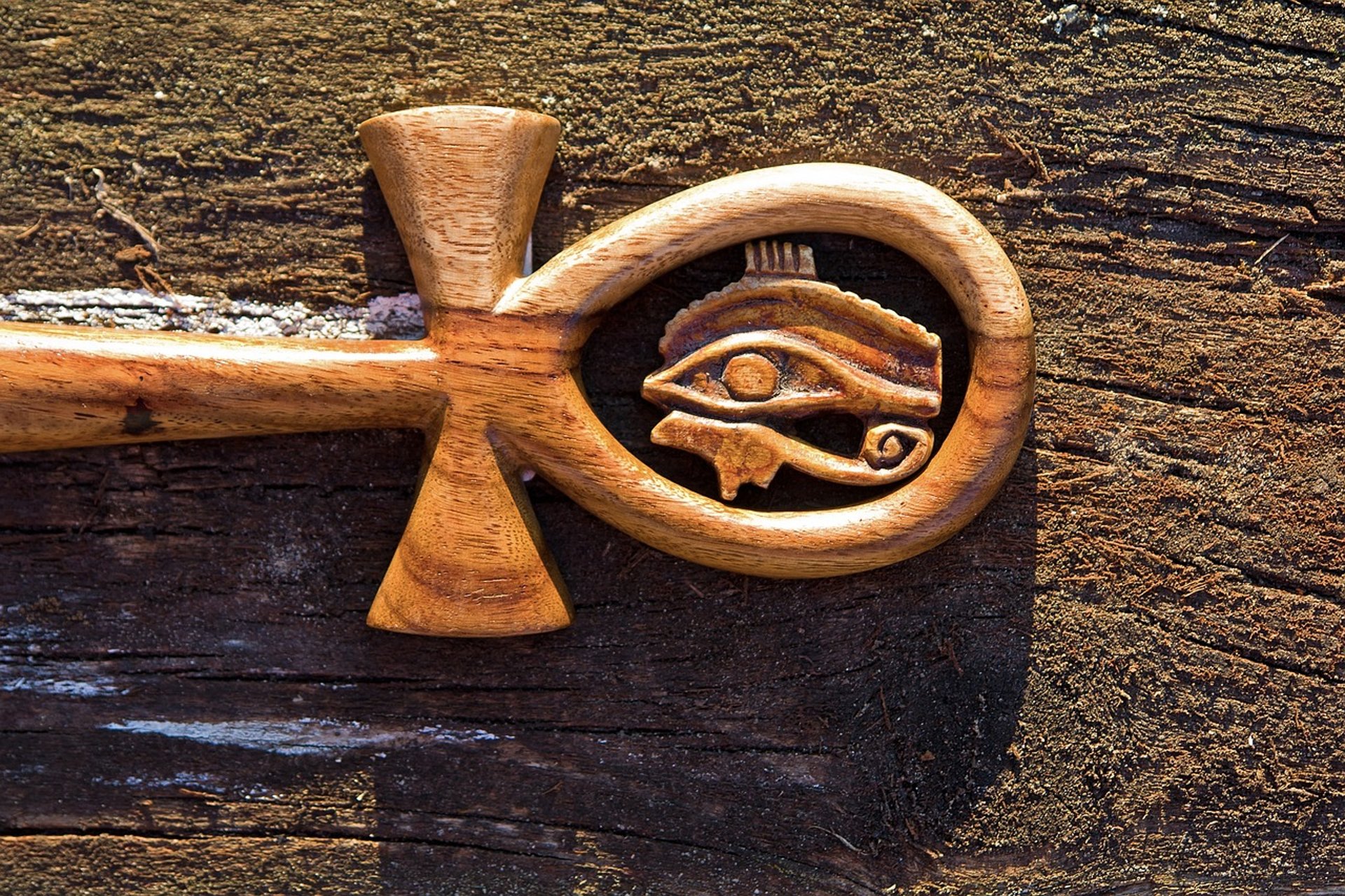
Ancient Herbalism
Ancestral Healing Medicine
Sometimes referred to as folk medicine, alternative medicine, plant medicine, or ancient herbalism - the use of herbs for medicinal purposes and natural healing is the oldest form of medicine known to man. Our ancestors listened to the land, observed the animals and what they ate, and made intuition connections between plants and healing. They learned that plants influence more than just the physical body. Plants influence the spiritual body too.
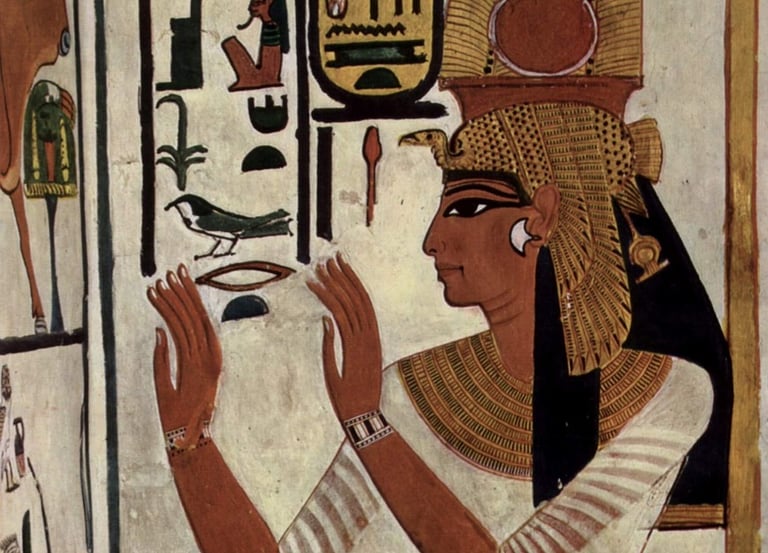

Ancient Egypt & Kemet
Plant medicine can be traced back to the first documented civilization in Ancient Egypt also known as Kemet. Egyptians used sacred plants and herbs for healing rites, self empowerment rituals and tools for warding off negative influences. They believed that each plant had its own medicinal and spiritual effect and by knowing the power of its strengths, one could infuse its energy to invoke the desired healing benefits.
The Egyptians revered various plants for their medicinal properties and believed they possessed spiritual significance. For instance, frankincense and myrrh were commonly used to create healing tinctures and incense. Aloe vera was highly valued for its soothing properties, often used to treat wounds and skin conditions.
These practices reflected a deep understanding of the healing qualities of nature, intertwining the physical and spiritual realms. One such practice was the usage of the sekhem energy or life force energy, to heal people, places, and circumstances. The practice involves channeling the energy of the Neteru (Egyptian God's and Goddesses) such as Sekhmet or Ra to aid in the healing process.
The meticulous use of these herbs emphasized the Egyptians’ holistic approach to health, where treatment of the body was inextricably linked to the nurturing of the soul. This ancient wisdom laid the foundation for herbal medicine, influencing modern practices that continue to celebrate the power of nature in healing.
Learn more about ancient herbs and their usage here:
Mesopotamia
In ancient Mesopotamia, herbs played a crucial role in both medicine and spiritual practices. As far back as 5,000 years ago in ancient Mesopotamia, clay tablets were used to keep track of various herbs and their specific uses for healing the physical and spiritual body. These tablets are one of the oldest written records we have about the use of plants as medicine.
The Sumerians, Akkadians, and Assyrians utilized a wide variety of plants for their healing properties, often compiling common herbs such as garlic, thyme, and myrrh to treat ailments like infections and digestive issues, reflecting a sophisticated understanding of natural remedies. Additionally, these societies infused their practices with spirituality, believing that certain herbs held divine power and could facilitate communication with the gods.
Ritualistic use of these plants, often combined with incantations, was seen as a means to invoke healing or protection, emphasizing the deep connection between the physical and spiritual realms in Mesopotamian culture. This holistic approach to health underscores the significance of herbs in fostering both physical well-being and spiritual harmony.
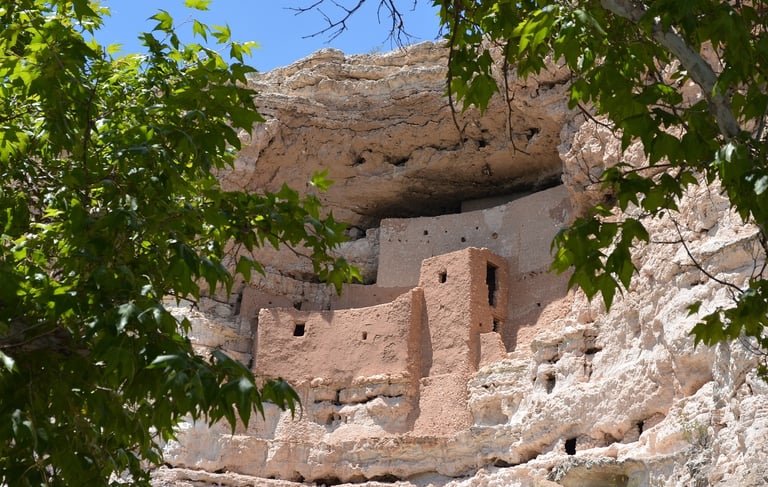
Myan and Aztec Cultures
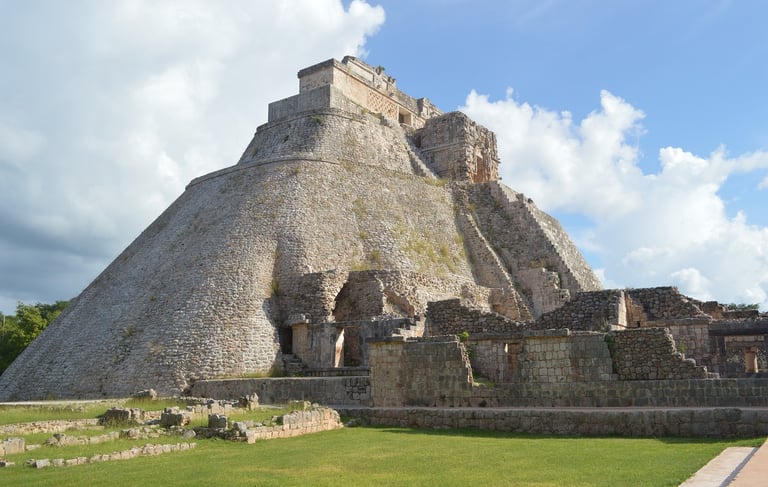
Both the Mayan and Aztec civilizations harnessed the power of herbs for healing purposes, deeply intertwining their medicinal practices with their cultural and spiritual beliefs. The Mayans, renowned for their advanced understanding of botany, utilized a wide array of herbs such as calendula, aloe vera, and garlic to treat various ailments, from infections to digestive disorders.
Similarly, the Aztecs employed medicinal plants like echinacea and sage in their healing rituals, often combining them with spiritual elements to promote holistic well-being. These civilizations viewed herbs as gifts from the gods, integral to both physical health and spiritual balance. Herbal medicine was a vital aspect of their daily lives, passed down through generations and respected as a foundational element of their healthcare systems. Through their rich traditions, the Mayans and Aztecs established a legacy of herbal knowledge that continues to influence modern herbal practices today.
Native American Indian / Indigenous Herbalism
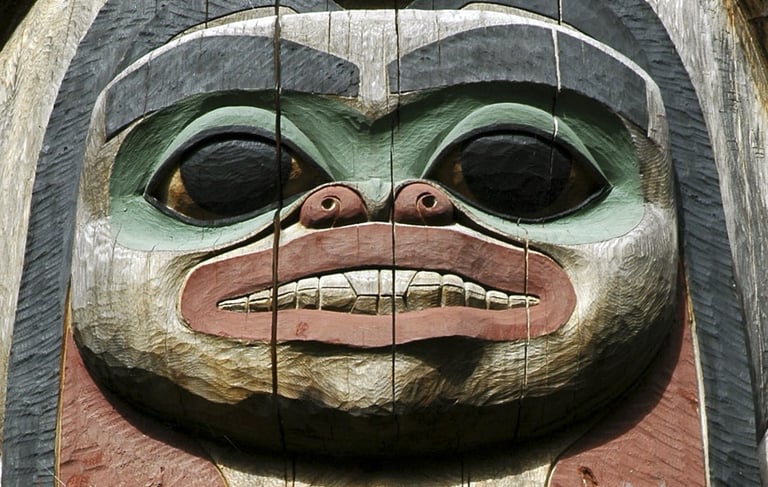
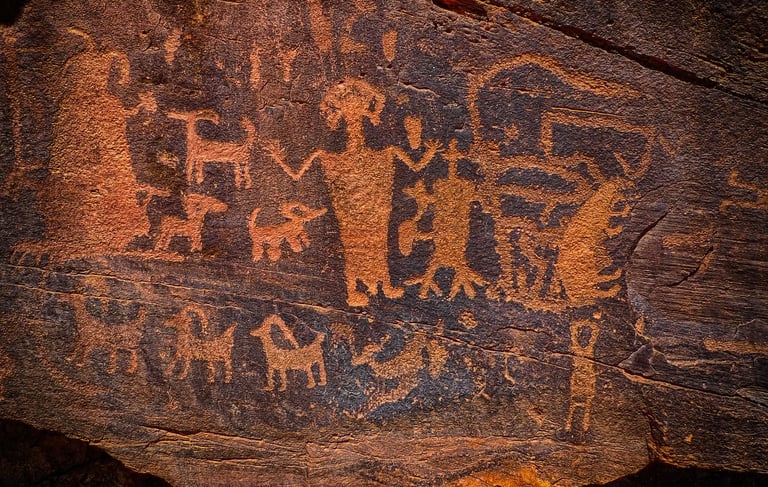
Native American herbal traditions are deeply rooted in a connection to nature and the belief that plants possess unique healing properties. For centuries, Indigenous peoples have utilized a diverse array of herbs to promote health and vitality, integrating them into their daily lives and spiritual practices.
From the calming effects of chamomile to the invigorating properties of echinacea, these herbs play a vital role in both physical and emotional well-being. Spirituality is interwoven with these practices, as many tribes believe that the spirit of the plant serves as a guide and protector in the healing process. Rituals often accompany the use of herbs, enhancing their effectiveness and fostering a deeper relationship with the natural world.
This holistic approach not only addresses physical ailments but also encourages emotional balance and spiritual harmony, emphasizing the interconnectedness of body, mind, and spirit.
Learn more about ancient herbs and their usage here:
Arawak, Taino & Caribbean Medicine
The Taino, Arawak, and Carib peoples possess rich herbal medicine traditions that have been passed down through generations. These indigenous cultures have long relied on the healing properties of various plants found in their natural environments. Herbal remedies are utilized for a wide range of ailments, from physical injuries to spiritual ailments.
Commonly used plants include several varieties of leaves, roots, and bark, each with their own unique properties. Knowledge of these plants and their uses is deeply intertwined with the community's identity, reflecting a holistic approach to health that considers the interconnectedness of body, mind, and spirit.
In contemporary times, there is a resurgence of interest in these traditional practices as people seek natural alternatives to modern medicine, acknowledging the value of ancestral wisdom in promoting overall well-being.
Traditional Chinese Medicine
Traditional Chinese Medicine (TCM) boasts a rich history that dates back thousands of years, intertwining deeply with China's cultural and philosophical roots. Originating in ancient times, TCM encompasses a holistic approach, emphasizing the balance of bodily systems and the harmony between humans and nature.
Practices such as acupuncture, herbal remedies, and tai chi were developed to promote health and alleviate ailments by addressing the underlying imbalances within the body. Historical texts, including the Huangdi Neijing (The Yellow Emperor's Inner Canon), laid the foundation for TCM principles and methodologies.
Ancient practitioners believed that health was a result of maintaining equilibrium among the body's vital energies, known as qi, and adapting to the environmental changes. Today, TCM continues to be utilized both as a complementary therapy and as a primary healthcare approach, showcasing its enduring influence and relevance in modern medicine.


Ayurveda
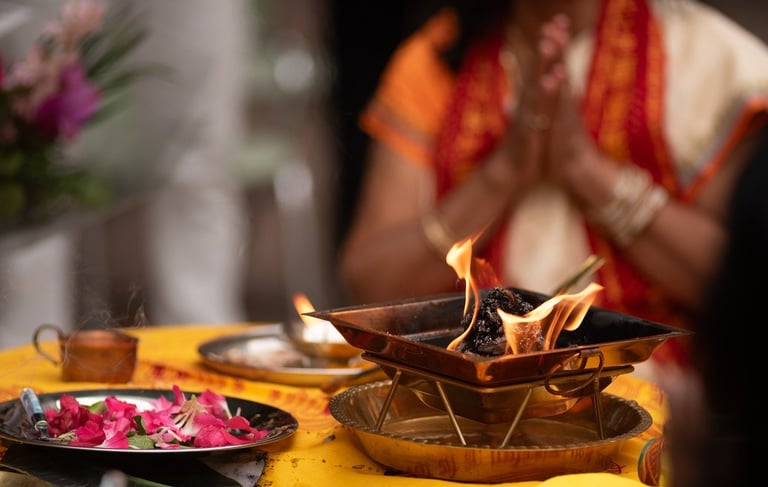
Ayurveda, one of the oldest systems of medicine, originated in ancient India over 5,000 years ago, emphasizing a holistic approach to health and well-being. The term "Ayurveda" translates to "the science of life," encapsulating its focus on balance and harmony within the body, mind, and spirit.
Central to Ayurvedic practice is the use of herbs, which have been carefully studied for their healing properties. Various plants, such as ashwagandha, turmeric, and tulsi, are employed to enhance vitality, boost immunity, and treat a range of ailments. These herbs are not only valued for their medicinal benefits but also for their ability to promote overall wellness by harmonizing the three doshas: Vata, Pitta, and Kapha.
Through the integration of diet, lifestyle, and herbal remedies, Ayurveda continues to offer valuable insights into maintaining optimal health and longevity.
Learn more about ancient herbs and their usage here: